

Vitamin D & Dental Implants
As a wellness-aligned practitioner, you understand that successful outcomes often depend on nutritional optimisation, not just the procedure itself.
One often under-recognized factor with a measurable impact on dental implant success is maintaining adequate vitamin D levels.
This guide explores how vitamin D supports osseointegration, bone metabolism, and inflammatory balance, particularly in patients receiving metal-free ceramic (zirconia) implants. It’s designed to facilitate collaborative care and help your patients prepare for successful, biologically aligned treatment outcomes.
Vitamin D plays a central role in skeletal function and is particularly important for optimal bone healing and implant integration.
It supports:
“Vitamin D deficiency may impair healing and increase risk of implant failure due to compromised osseointegration.”
— Journal of Implant Dentistry, 2022
For patients receiving zirconia implants, where both biocompatibility and structural integration are crucial, maintaining sufficient vitamin D can be a critical modifiable factor.
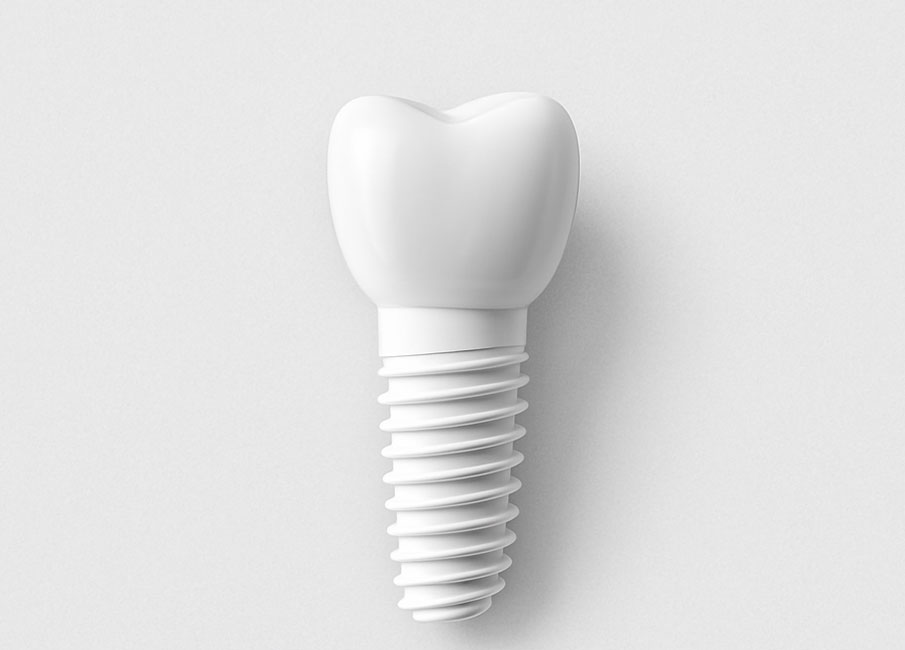
Beyond its skeletal role, vitamin D also supports post-surgical healing by modulating immune and inflammatory responses.
This is especially relevant for patients with:
Osseointegration is the biological process where an implant fuses with surrounding bone, which determines:
Maintaining healthy vitamin D levels may support:
Inadequate vitamin D may compromise these mechanisms—even when using high-quality materials like zirconia.
As a naturopath, kinesiologist, integrative dentist, or allied wellness practitioner, you can help patients prepare for their implant journey through nutritional optimisation and coordinated care.
1. Nutritional Assessment Before Implant Surgery
Recommend or coordinate a serum 25(OH)D test
Consider broader bone-related markers (e.g. calcium, phosphorus, PTH)
Aim for serum levels between 75–100 nmol/L (30–40 ng/mL) prior to implant placement, depending on the individual’s health profile
2. Supplementation (If Required)
3. Lifestyle and Diet
At Ceramic Implant Clinic, we work closely with patients supported by naturopaths and integrative health professionals. Many of them:
Optimising vitamin D levels supports:
With patient consent, we’re always happy to collaborate with referring practitioners to ensure alignment and continuity of care.
Not universally, but it’s recommended for patients with known or suspected deficiencies, fatigue, autoimmune conditions, or low sun exposure
It’s important for both, but patients pursuing ceramic solutions often benefit from a more thorough, proactive preparation.
We don’t conduct testing in-house, but we routinely coordinate with referring practitioners and GPs to support shared care
We don’t conduct testing in-house, but we regularly coordinate with referring practitioners and GPs to support shared care.
Vitamin D is a simple, powerful, modifiable factor that can improve implant outcomes—especially in patients seeking wellness-aligned, biocompatible care.
By incorporating vitamin D assessment and support into your patient plans, you’re not only enhancing implant readiness—you’re contributing to long-term, integrative oral health outcomes.
Want to refer a patient or request a practitioner info kit?
We’re here to support you.
Discover metal-free ceramic implant solutions designed with biocompatible materials, precision planning, natural aesthetics, and care that considers the whole person.