

Choosing a dental implant is about more than replacing a missing tooth. For many patients, it is also about understanding the materials being used, how treatment is planned, how healing is supported, and whether the final result will feel natural, functional, and aligned with their health values.
At Ceramic Implant Clinic in Melbourne, we focus on ceramic dental implants for patients seeking a metal-free, biocompatible and natural-looking approach to tooth replacement. Every treatment plan is personalised, because implant dentistry is never one-size-fits-all.
If you are considering ceramic dental implants, this guide explains what to expect from your first consultation through to your final restoration and long-term maintenance.
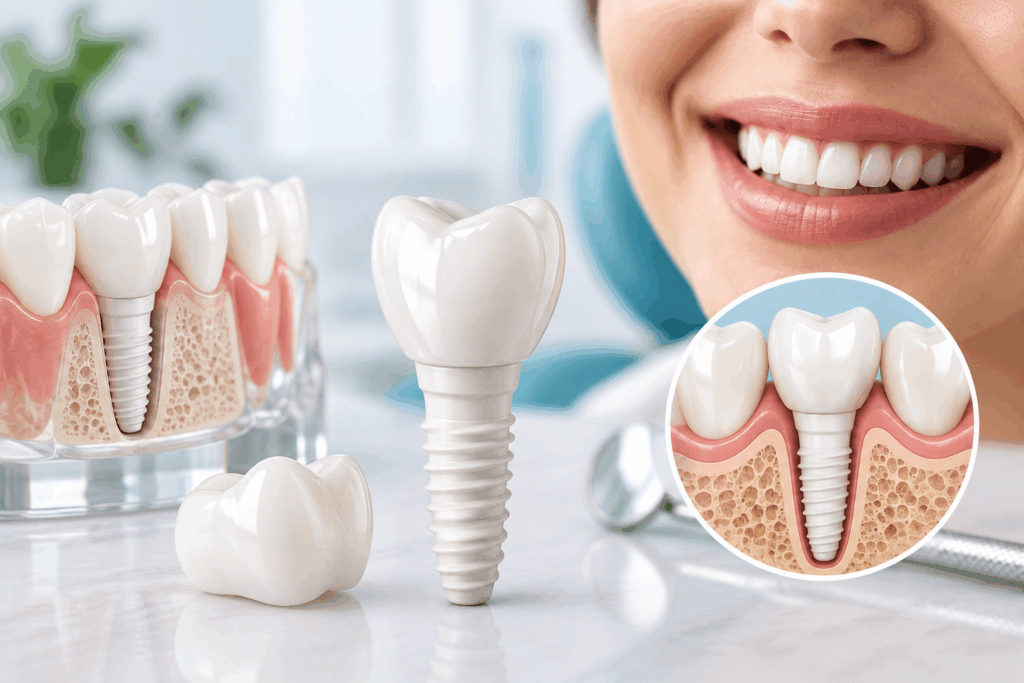
Ceramic dental implants or Zirconia dental implants are made from zirconia, a strong, tooth-coloured ceramic material used to replace the root of a missing tooth. Once the implant has integrated with the jawbone, it can support a custom-made ceramic crown, bridge, or implant-supported restoration.
Unlike titanium implants, zirconia implants are metal-free and naturally white. This may be appealing for patients who value biocompatible materials, have aesthetic concerns around thin gums, or prefer a metal-free approach to dental care.
Ceramic implants are not necessarily the right option for every patient. Suitability depends on your oral health, bone structure, bite, medical history, gum condition, and treatment goals.
Every successful implant treatment begins with a comprehensive consultation.
At Ceramic Implant Clinic, the first appointment is not simply about deciding where to place an implant. It is about understanding the full picture: your oral health, medical background, previous dental experiences, aesthetic expectations, and personal preferences around materials.
During your consultation, we may assess:
Digital imaging, photographs, intraoral scans and 3D CBCT imaging may be recommended to help assess the bone and plan treatment with greater precision.
The goal of this stage is to determine whether implant treatment is appropriate, whether ceramic implants are suitable, and what steps may be required before placement.
Once your assessment is complete, we create a treatment plan based on your clinical findings, health history and goals.
Treatment planning may include:
Ceramic implants require careful three-dimensional positioning. This is especially important because ceramic implant systems can have different restorative requirements compared with titanium systems. Careful planning helps protect the gum tissue, support the final crown shape, and create a stable foundation for long-term function.
Not every patient is ready for implant placement immediately.
Before placing a ceramic implant, we aim to create the healthiest possible foundation. This may involve treating gum inflammation, removing infection, improving oral hygiene, extracting a failing tooth, or rebuilding lost bone.
Preparation may include:
This stage is important because implants depend on healthy surrounding bone and gum tissue. If gum disease or infection is present, it usually needs to be treated and stabilised before implant placement.
Some patients have enough bone for implant placement without grafting. Others may need bone grafting before or during treatment.
Bone loss can occur after tooth loss, trauma, infection, gum disease or long-term denture wear. If there is not enough bone to support the implant in the ideal position, grafting may be recommended.
At Ceramic Implant Clinic, grafting is carefully planned and explained before treatment. Depending on the case, grafting materials may include autogenous jaw bone, allograft, xenograft or synthetic graft materials.
The aim is not simply to “add bone,” but to create the right foundation for the implant, gum tissue and final restoration.
Once the area is ready, the ceramic implant is carefully placed into the jawbone.
The procedure is usually performed under local anaesthetic. Sedation may also be available for suitable patients who feel anxious or who are undergoing more complex treatment.
The ceramic implant acts as an artificial tooth root. Over time, the surrounding bone heals around the implant surface in a process called osseointegration.
The length of the procedure depends on:
Most patients should expect some tenderness, swelling or bruising after surgery. This is usually managed with appropriate post-operative instructions, medication where required, and careful follow-up.
After implant placement, the body begins the healing process.
During osseointegration, the jawbone gradually bonds with the implant surface, helping create a stable foundation for the final tooth. Healing times vary depending on the patient and the complexity of treatment.
Factors that may influence healing include:
A typical healing period may be several months, although timelines vary. In some cases, a temporary tooth may be fitted during healing. In other cases, it may be safer to allow the implant to heal without pressure before the final restoration is made.
Once the implant has healed and integrated, the final restoration can be made.
Depending on your treatment plan, this may be:
The restoration is designed to match the shape, colour and function of your natural teeth as closely as possible. We assess the bite, gum shape, emergence profile, comfort and aesthetics before completing treatment.
For front teeth, this stage is particularly important. The final result depends not only on the implant material, but also on gum thickness, bone support, implant position and the design of the crown.
Ceramic implants are designed to be long-term tooth replacement solutions, but they still require ongoing care.
Like natural teeth, the gums and bone around implants need to be maintained. Regular professional care helps monitor the implant, restoration, gum health and bite.
Your maintenance plan may include:
Long-term success depends on both careful treatment planning and consistent maintenance.
After implant placement, the body begins the healing process.
During osseointegration, the jawbone gradually bonds with the implant surface, helping create a stable foundation for the final tooth. Healing times vary depending on the patient and the complexity of treatment.
Factors that may influence healing include:
A typical healing period may be several months, although timelines vary. In some cases, a temporary tooth may be fitted during healing. In other cases, it may be safer to allow the implant to heal without pressure before the final restoration is made.
Research on zirconia implants continues to grow. A 2023 post-market clinical follow-up study evaluated 1,828 ceramic zirconia implants over a 15-year period, supporting the use of zirconia implants as a long-term treatment option in selected cases.
Systematic reviews have also reported promising clinical outcomes for zirconia implants when case selection, implant design and clinical conditions are appropriate. However, titanium implants still have the longest and broadest history of clinical use, which is why treatment recommendations should be personalised rather than based on material preference alone.
Gum health is also important. A 2024 systematic review and meta-analysis found that a history of periodontitis can increase the risk of implant complications, including implant failure, peri-implantitis and marginal bone loss. This supports the importance of stabilising gum health before and after implant treatment.
Some research suggests zirconia surfaces may accumulate less initial biofilm in certain studies, although findings are mixed and surface characteristics vary. This means zirconia may have favourable soft-tissue and plaque-related properties, but ongoing maintenance remains essential regardless of implant material.
The overall treatment timeline varies from patient to patient.
Some straightforward cases may be completed in a few months. More complex cases involving infection, tooth extraction, bone grafting, gum treatment or multiple implants may take longer.
Factors that influence the timeline include:
At your consultation, we will outline the expected stages and timing for your individual case.
Successful ceramic implant treatment is about more than placing an implant.
It involves careful diagnosis, digital planning, healthy gum tissue, adequate bone support, appropriate implant positioning, thoughtful restoration design and long-term maintenance.
At Ceramic Implant Clinic, we take a measured and personalised approach. We consider your oral health, systemic health, lifestyle, material preferences and aesthetic goals before recommending treatment.
Our philosophy is simple: implant dentistry should be precise, honest, biocompatible and centred around the individual patient.
Ceramic Implant Clinic is dedicated to metal-free implant dentistry in Melbourne.
Located in Brunswick and working in collaboration with Holistic Dental Brunswick, the clinic provides ceramic implant treatment for patients who value biocompatible materials, natural aesthetics and careful treatment planning.
Our approach includes:
We do not believe every patient needs the same implant system or the same treatment pathway. Instead, we help you understand your options so you can make an informed decision.
Understanding the ceramic dental implant process can help you feel more prepared and confident before treatment begins.
Whether you are replacing one tooth, several teeth or considering a more comprehensive restoration, your journey starts with a detailed assessment of your oral health, gum health, bone structure, medical history and treatment goals.
If you are considering ceramic dental implants in Melbourne, book a consultation with Ceramic Implant Clinic to find out whether zirconia implants are suitable for you.

Discover metal-free ceramic implant solutions designed with biocompatible materials, precision planning, natural aesthetics, and care that considers the whole person.