

For some patients, choosing a dental implant is not only about replacing missing teeth — it is also about selecting a treatment option that aligns with their personal preferences, health considerations, and values.
This is one reason why ceramic dental implants, also known as zirconia implants, have gained attention as a metal-free alternative to traditional titanium dental implants.
At Ceramic Implant Clinic, we often speak with patients who want to understand whether ceramic implants may be suitable if they have concerns about metal-based dental restorations, metal sensitivities, or allergies.
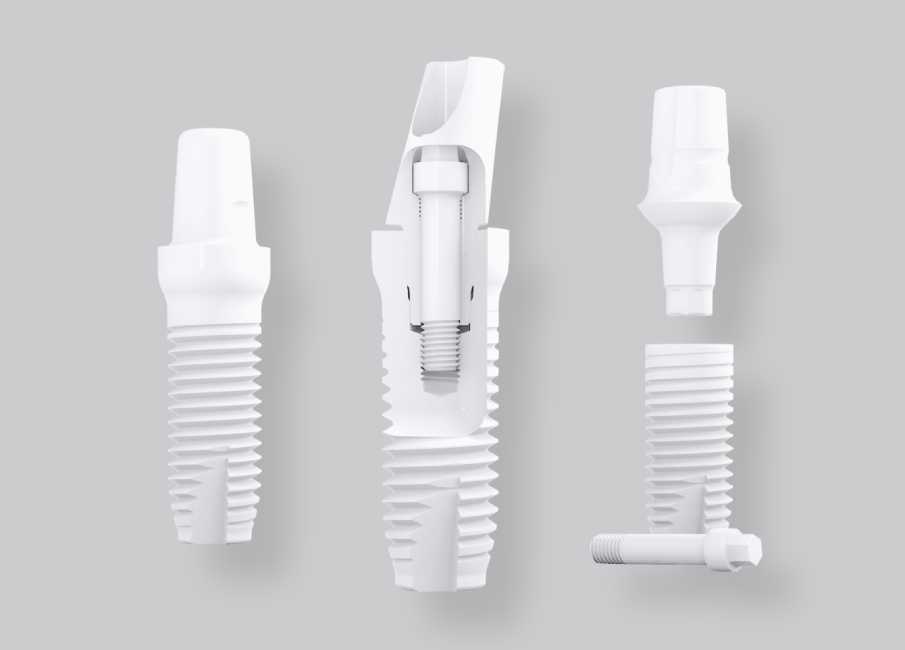
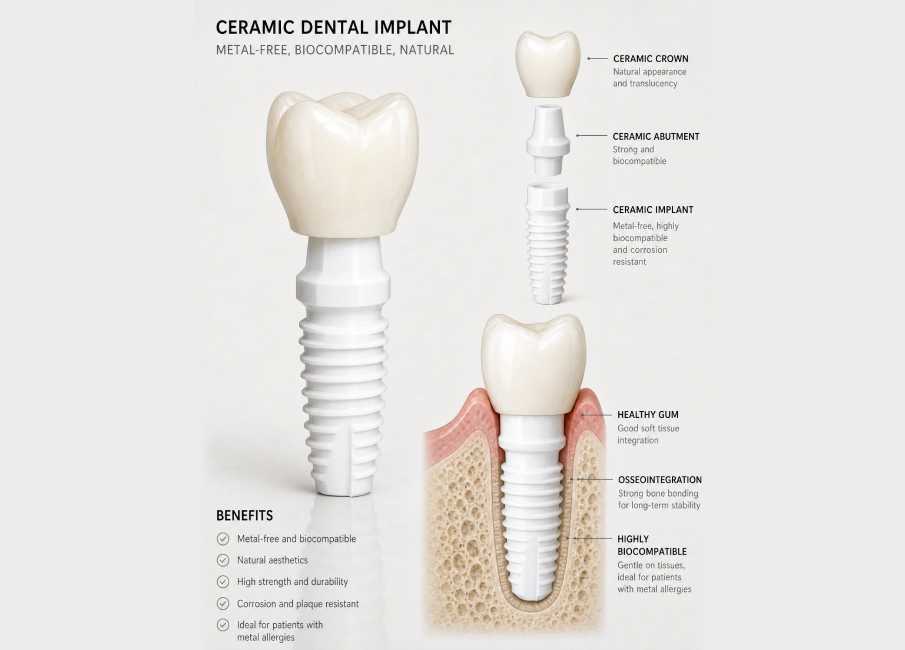
Ceramic dental implants are made from zirconia, a strong ceramic material used to replace missing tooth roots.
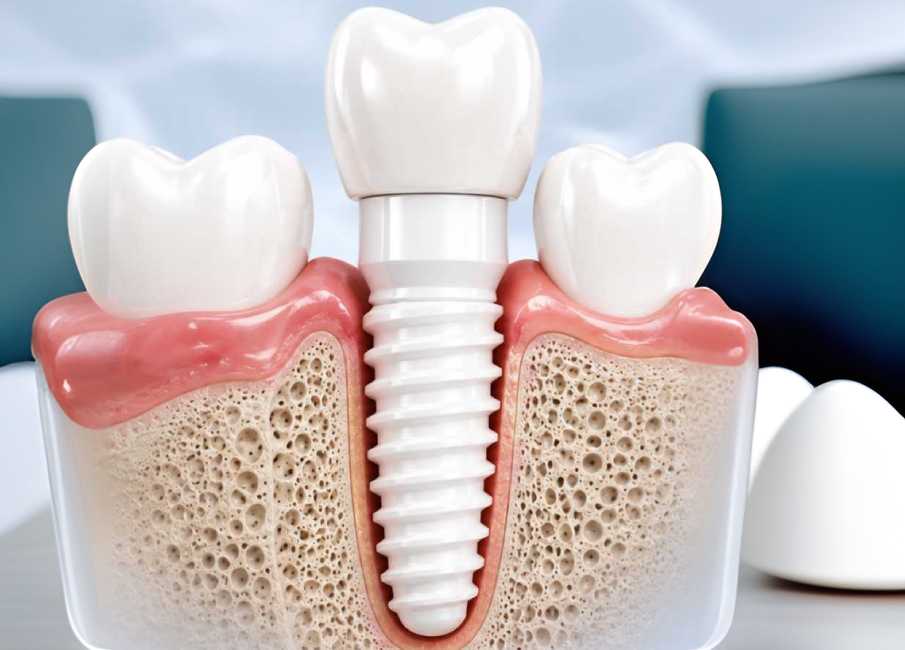
Unlike traditional titanium implants, ceramic implants are metal-free and offer a natural tooth-coloured appearance. Once placed in the jawbone, they can support a custom crown, bridge, or denture to restore function, comfort, and aesthetics.
For a complete overview of zirconia implant treatment, read our Comprehensive Guide to Ceramic (Zirconia) Dental Implants.
Patients choose ceramic implants for a variety of reasons. Some are interested in wellness-aligned or holistic dentistry, while others prefer a metal-free approach to tooth replacement.
Common reasons include:
Learn more in our article on Metal-Free Implants and Holistic Health.
Because zirconia dental implants do not contain metal, some patients specifically enquire about ceramic implants when exploring alternative implant materials.
Every patient’s situation is unique, and treatment recommendations should always be based on a comprehensive dental assessment. Your dentist can review your medical history, treatment goals, oral health, bone structure, gum health, and material preferences to determine whether ceramic implants may be appropriate for your needs.
Ceramic implants are not suitable for every case, but they may be an option for patients who prefer a metal-free, biocompatible, and natural-looking tooth replacement solution.
Some patients with concerns about titanium implants ask whether they can be tested for titanium sensitivity.
Titanium sensitivity is considered uncommon, and diagnosis can be complex. Traditional skin patch testing may not reliably rule out titanium sensitivity, as titanium particles and titanium dioxide are poorly soluble and may not penetrate the skin in the same way as other allergens.
The MELISA test is a blood-based test that measures lymphocyte reactivity to metals, including titanium. It is used in some settings to investigate possible metal hypersensitivity, particularly where patients have a history of metal sensitivity or unexplained symptoms.
However, MELISA testing is not routinely available in Australia, and access may be limited because testing generally requires specialised overseas laboratories and strict blood sample transport timeframes.
For this reason, we do not rely on one test alone. Instead, we take a personalised approach, reviewing your history, symptoms, concerns, oral health, and treatment goals before discussing whether ceramic or titanium implants may be more appropriate.
Zirconia has been widely used in dentistry for many years due to its:
These characteristics have contributed to the growing popularity of ceramic dental implants in Melbourne among patients seeking an alternative tooth replacement solution.
Zirconia’s white colour may also be beneficial in aesthetic areas of the mouth, particularly where gum tissue is thin or where patients are concerned about grey shadowing around the gum line.
Suitability for ceramic implants depends on several factors, including:
Some patients may also require additional treatment, such as bone grafting or gum treatment, before implant placement.
If you are unsure whether ceramic implants are right for you, our guide on Who Is a Good Candidate for Ceramic Dental Implants? explains the key factors dentists assess before treatment.
Many patients researching ceramic implants in Melbourne are interested in metal-free alternatives that provide both function and aesthetics.
While ceramic implants may not be suitable for every situation, they can be an effective option for many people seeking long-term tooth replacement with biocompatible, natural-looking materials.
The best way to determine whether metal-free dental implants are right for you is through a personalised consultation with an experienced implant dentist who can assess your individual needs, oral health, medical history, and treatment goals.
Müller-Heupt LK, Schiegnitz E, Kaya S, Jacobi-Gresser E, Kämmerer PW, Al-Nawas B. Diagnostic tests for titanium hypersensitivity in implant dentistry. International Journal of Implant Dentistry. 2022;8:29.

Discover metal-free ceramic implant solutions designed with biocompatible materials, precision planning, natural aesthetics, and care that considers the whole person.